Thinking about trading San Jose’s hustle for Capitola’s ocean breeze? You are not alone. Many Bay Area buyers are eyeing Capitola for its walkable village, beach access, and relaxed coastal lifestyle. The key is planning your move with a clear timeline, a solid offer strategy, and a realistic view of coastal housing. In this practical guide, you will learn how to map your search, understand neighborhoods and home types, factor in microclimates and hazards, and coordinate the sale of your San Jose home. Let’s dive in.
What changes on the coast
Living near the ocean brings real benefits and unique responsibilities. Summers are cooler, mornings can be foggy, and afternoons often clear. Compared to inland San Jose, you get more temperature moderation and more moisture in the air.
That moisture matters for your home. Salt air and humidity can speed up paint wear, metal corrosion, and wood rot. Plan for more frequent exterior maintenance and regular HVAC and duct checks. If a property sits near the beach or a creek, budget for added inspections and possible insurance needs.
Coastal hazards deserve attention. Low-lying parcels may sit in FEMA flood zones or tsunami evacuation areas. Homes near bluffs can face erosion risks. Soquel Creek can influence flood potential in nearby areas. Seismic risk applies statewide, so geologic and soils reports are part of smart diligence. Moisture, rot, rust, deck safety, electrical grounding, foundation, and slope stability checks should all be on your inspection list.
Neighborhood snapshots
Capitola Village
The heart of Capitola centers around the Esplanade and beach. You will see small historic cottages and condos with high walkability to shops and dining. Expect more tourist activity in peak seasons, limited parking at times, and a charming village feel.
Depot Hill and Upper Capitola
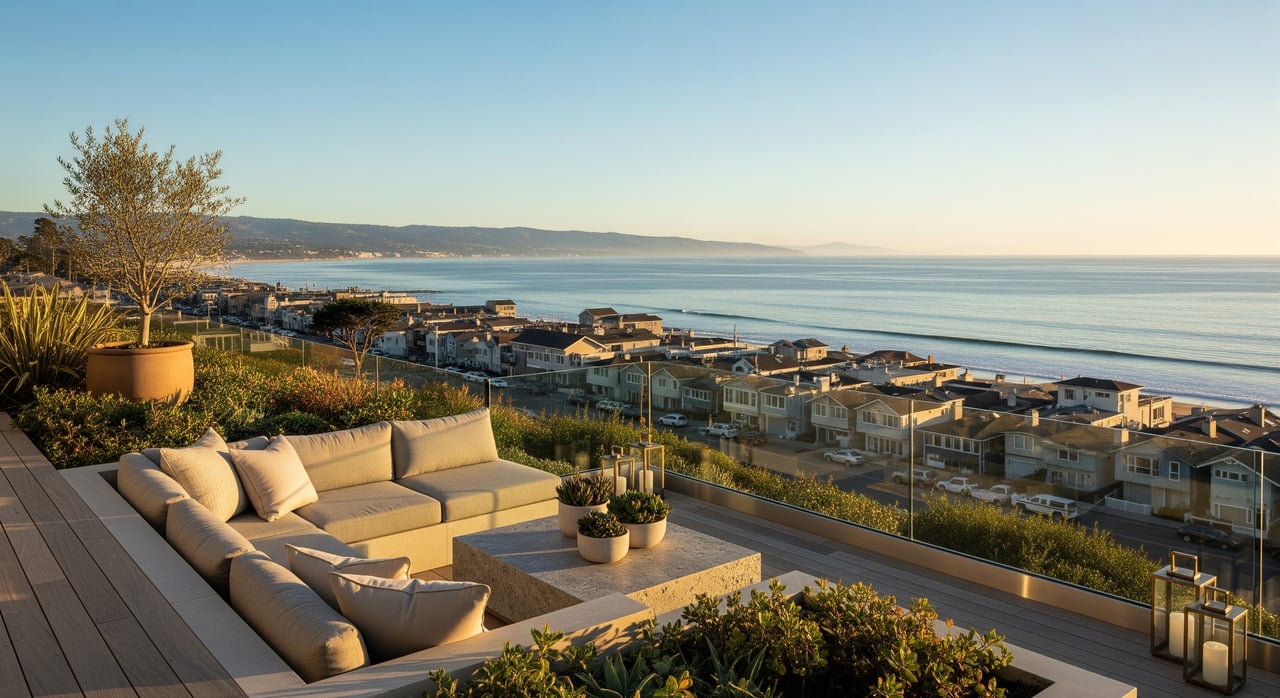
This hillside area offers single-family homes, some with ocean views and more privacy. Elevation can mean more sun and slightly warmer conditions than the beachfront. Lots can be compact and sloped, so stairs are common and yard space may be limited.
New Brighton and Rio Del Mar (adjacent)
Close by in the Aptos area, you will find a mix of single-family homes and condos with beach access and often more inventory than the tight Village core. Some parts fall under Santa Cruz County instead of the City of Capitola, which can affect zoning and permits.
Seacliff and Pleasure Point adjacent areas
These neighborhoods feature mid-century homes and larger lots in some pockets, plus quick access to surf breaks. As with other nearby communities, confirm if a home is in the City or unincorporated County to understand local rules and processes.
Home types and what to expect
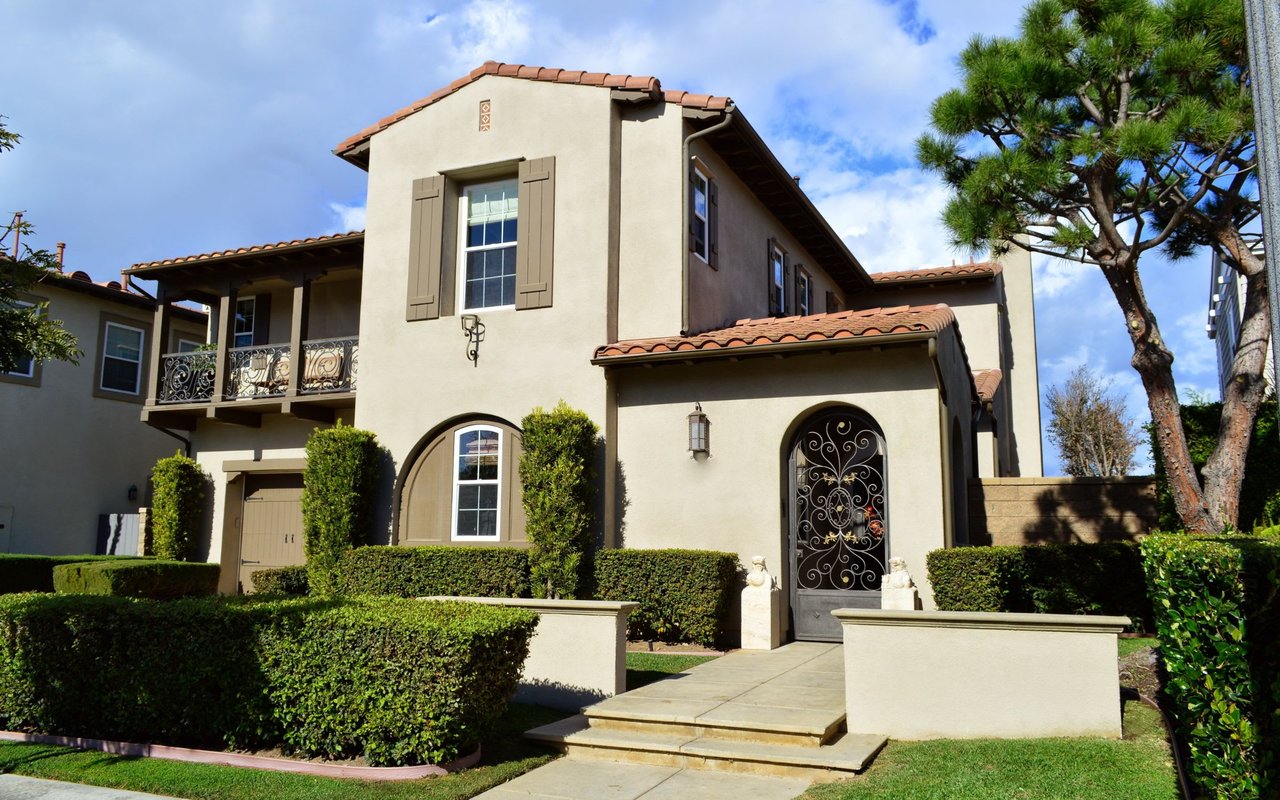
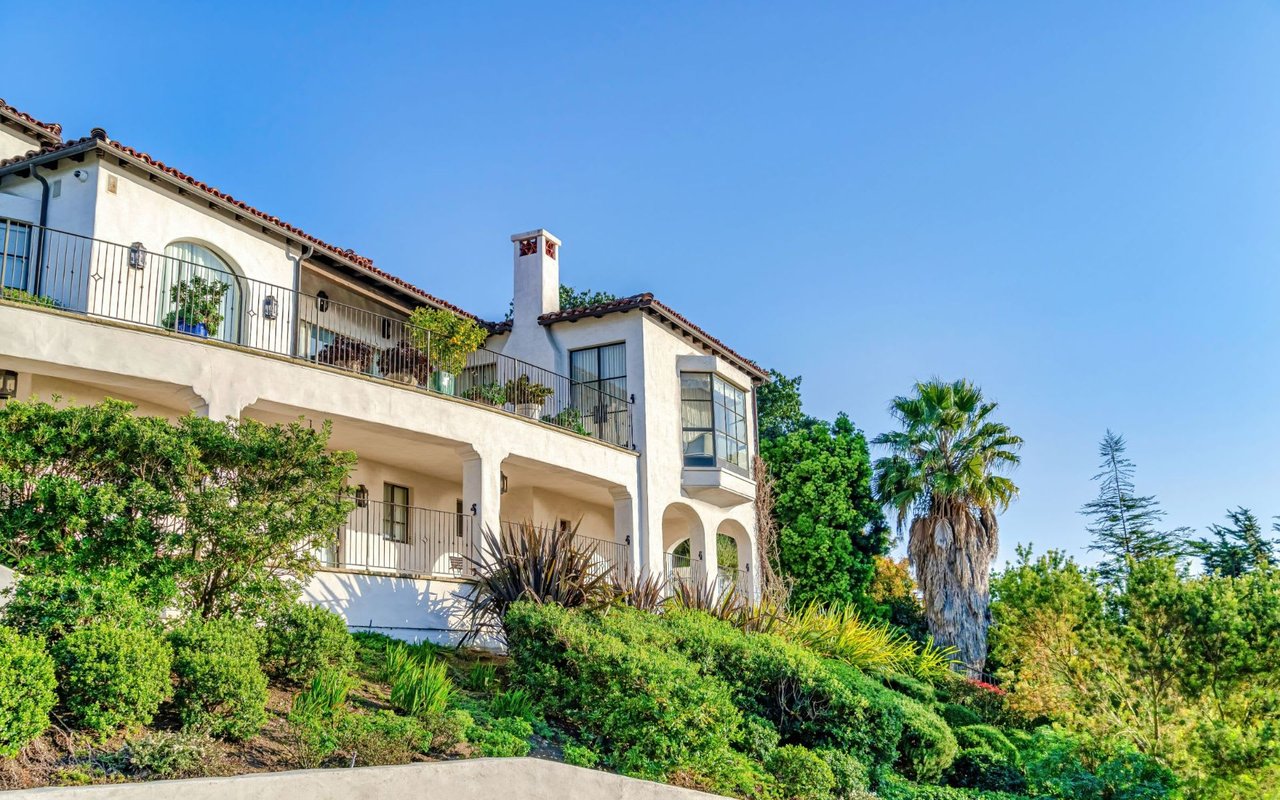
Capitola’s housing stock is diverse and often older near the beach. In the Village, you will see smaller cottages and bungalows, frequently two bedrooms or less, with many remodels over time. Condos and townhomes are common, usually with HOAs and shared parking, which can be convenient if you plan to use the property as a second home.
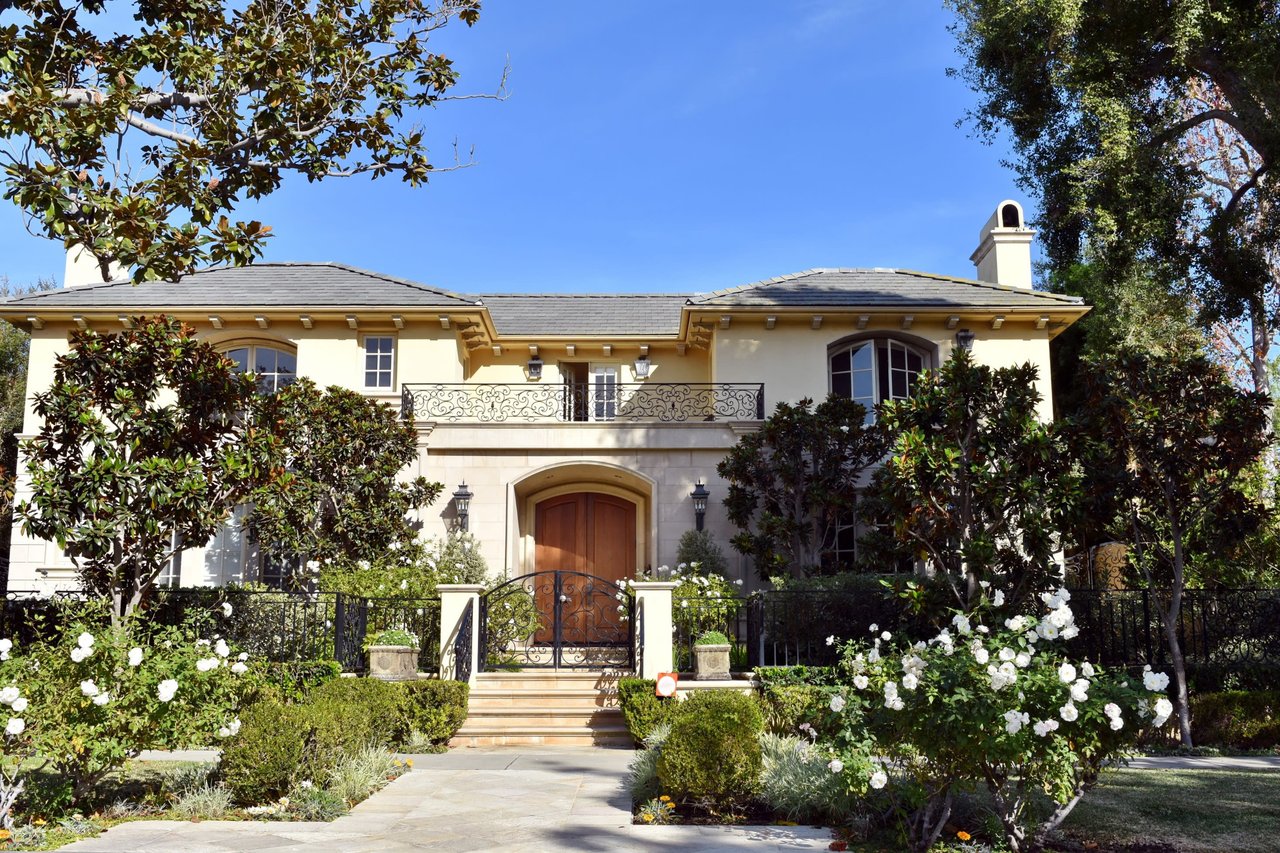
Single-family homes often sit on compact lots. Multi-level floor plans are common on hillsides, which can mean stairs and limited yard space. Large new developments are rare in the Village, so you will more often encounter infill projects or remodels. Multi-family and duplex options exist but are less common than single-family or condos.
Your search timeline
Pre-search prep, 2 to 6 weeks
- Secure mortgage pre-approval and a written pre-approval letter. If buying a second home or investment property, confirm lender requirements and down payment expectations.
- If you are a cash buyer, gather proof of funds.
- Create a ranked list of must-haves, such as proximity to the ocean, bedroom count, garage or parking, school district preferences, view versus maintenance, and single versus multi-level living.
- Shortlist 3 to 5 neighborhoods that match your commute, school, and lifestyle goals.
- Choose an ideal move window. Spring and summer can bring more listings and more competition.
Month 0 to 1
- Tour neighborhoods, attend open houses, and set up MLS alerts with a local agent who covers Capitola and nearby areas.
- Start early conversations about insurance, including earthquake and flood where applicable.
Month 1 to 3
- Actively tour homes and be ready to write offers quickly in a limited-inventory market, especially for move-in-ready properties near the beach.
- Keep backup properties in mind. The best homes can move fast, so alternatives help you stay flexible.
Offer to close, 30 to 45 days typical
- Conventional financing timelines are often 30 to 45 days, though you can negotiate shorter or longer based on the situation.
- Coordinate inspections quickly and keep close contact with your lender and escrow team.
Moving logistics
- Book movers early if you plan a summer move.
- Arrange utilities, mail forwarding, and school enrollments.
- If you plan to commute to San Jose some days, test the route and timing in advance.
Buying in a seasonal, low-inventory market
In Capitola, limited supply and seasonal demand can lead to multiple offers, especially in spring and summer. Second-home buyers add to the mix. Your offer strategy should emphasize certainty and clarity.
What strengthens an offer
- A strong pre-approval letter or proof of funds.
- A competitive earnest money deposit.
- Clear contingency terms for inspection, loan, appraisal, and pest, with timelines that show commitment while protecting your interests.
- A closing date aligned with the seller’s needs.
- Consider escalation clauses and appraisal-gap language when appropriate and properly drafted.
Negotiation dynamics to expect
- Attractive properties can draw multiple offers.
- Sellers may favor cash or offers with fewer contingencies.
- Flexibility on closing timelines can help your offer stand out.
Contingency timing and inspections
- Keep inspections in the plan, even if you shorten the timeline. Structural, pest, roof, and HVAC are common. Coastal properties may also call for moisture, deck safety, and foundation reviews.
- If you finance, an appraisal contingency helps manage value risk. Some buyers bridge potential shortfalls with appraisal-gap coverage or larger down payments.
Offer paperwork checklist
- Pre-approval letter and lender contact info.
- Proof of funds for earnest money and any cash difference.
- Comparable market analysis and a concise cover note aligned with seller priorities.
- Signed disclosures and a clean, complete contract package.
Coordinating your San Jose sale
Many buyers must sell in San Jose to buy in Capitola. Plan your sequence and financing upfront.
- Sell first. You gain cash certainty but may need temporary housing or a short-term rental.
- Buy first. Bridge financing or carrying two mortgages may be necessary. You can also negotiate a rent-back on your San Jose sale to buy time.
- Contingent offers. If you must include a sale contingency, expect it to be less competitive. Tight timelines and strong communication help.
- Backup offers. If a property you love is pending, a backup offer can position you to step in quickly if the first deal falls through.
Second-home and rental questions
If you are considering a second home, start with your lender. Second-home and investment loans often require larger down payments and have different occupancy and underwriting rules. Clarify whether rental income can be used and how.
Check HOA rules for any condo or planned development. Local short-term rental regulations vary between the City of Capitola and Santa Cruz County. You may face permits, registration, location limits, and transient occupancy tax responsibilities. Also plan for property management, seasonal wear, and guest parking logistics.
Budgeting and insurance on the coast
Create a full budget beyond the purchase price. Upfront costs include down payment, escrow and title fees, and recording fees. Verify any local transfer taxes and closing costs with escrow. Ongoing expenses include property taxes based on assessed value, homeowners insurance, maintenance that can be higher on the coast, and HOA dues if applicable.
Insurance deserves a close look. Standard homeowners policies are common, earthquake coverage is a separate policy in California, and flood insurance may be required for homes in FEMA flood zones. Coastal exposure can increase premiums in some locations. Ask your insurance provider for estimates early in your search.
Permits and local rules to confirm
Rules can differ if the property is inside the City of Capitola or in unincorporated Santa Cruz County. Verify zoning and permits before major changes. Short-term rental rules, accessory dwelling units, and coastal-related projects can involve specific city or county processes. Some shoreline or bluff work may require coastal permits at the local level or through the California Coastal Commission.
Quick checklists
Buyer pre-offer checklist
- Confirm mortgage pre-approval and lender contact.
- Gather proof of funds for the earnest money deposit.
- Identify preferred neighborhoods and alternates.
- Plan inspections: structural, pest, roof, sewer where appropriate, and HVAC.
- Verify insurance availability and estimated premiums, including earthquake and flood if applicable.
- Check HOA and local short-term rental rules if you plan to rent.
Move and sell coordination checklist
- Decide sell-first or buy-first, and discuss bridge options with your lender and agent if buying first.
- Prepare your San Jose home for market and align listing timing with your purchase plan.
- Book movers early, especially for summer.
- Set up utilities, schools, and update your address and driver’s license.
Offer drafting checklist
- Include your pre-approval and lender contact in the offer package.
- Present a competitive earnest money deposit and a clear timeline.
- Define inspection, loan, and appraisal contingencies with realistic windows.
- Propose a closing date that fits the seller’s needs.
- Consider escalation or appraisal-gap language when warranted and reviewed by your agent.
Final thoughts
Relocating from San Jose to Capitola is about balancing lifestyle with logistics. When you plan your timeline, right-size your offer strategy, and account for coastal maintenance and permitting, you give yourself a smoother path to the beach life you want. If you are weighing a primary home or a second home, the best next step is a clear plan tailored to your budget and goals.
If you would like help coordinating the sale of your San Jose home and crafting a competitive purchase strategy in Capitola, let’s talk. Book a consultation with Erica Trinchero to start your plan.
FAQs
How is Capitola’s climate different from San Jose?
- Capitola typically has cooler summers, more morning fog, and moderated temperatures, with hillside spots often sunnier than low-lying beach areas.
What inspections are most important for a Capitola home?
- In addition to standard structural, pest, roof, and HVAC checks, focus on moisture and rot, deck and balcony safety, electrical grounding, foundation, and slope stability.
How competitive is the Capitola housing market?
- Inventory is limited and seasonal, and second-home demand is meaningful, so attractive listings can draw multiple offers, especially in spring and summer.
What should I know about short-term rentals in Capitola?
- Rules vary by jurisdiction and may include permits, caps, registration, and taxes; verify city or county requirements and any HOA restrictions before you buy.
Should I sell my San Jose home before buying in Capitola?
- Selling first offers cash certainty but may require temporary housing, while buying first can involve bridge financing, rent-backs, or carrying two mortgages.
What insurance do I need for a coastal home?
- Homeowners insurance is standard, earthquake coverage is separate, and flood insurance may be required in FEMA zones; coastal exposure can increase premiums.