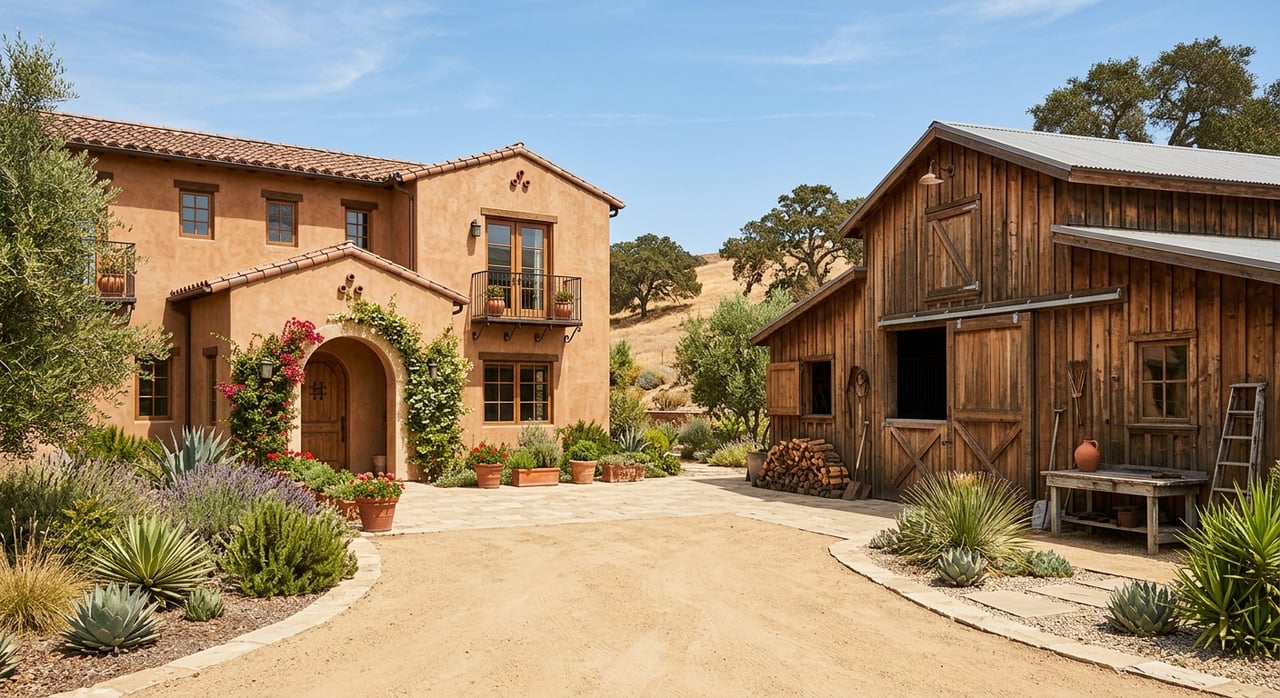
Selling a San Martin acreage or ranchette is not the same as selling a typical suburban home. Buyers are looking at the house, of course, but they are also evaluating the land, access, outbuildings, utility systems, and how well the property has been maintained over time. If you want a stronger sale in today’s market, the right prep work can help your property feel more valuable, more understandable, and easier to say yes to. Let’s dive in.
Why prep matters in San Martin
San Martin is an unincorporated area in South Santa Clara County, which means many property questions are handled through county offices rather than a city planning department. For sellers, that matters because zoning, permits, land-use rules, fire guidance, and property records can all play a bigger role when you are selling acreage or a ranchette.
The current market also makes preparation especially important. Recent snapshots show different pricing lenses for San Martin, with Redfin reporting a median sale price of $1,688,989 in May 2026 and Realtor.com showing a median listing price of $2,198,000 in ZIP code 95046. Days on market also vary by source, but together the data suggests buyers are still paying close attention to condition, pricing, and overall readiness.
Start with the parcel facts
Before you think about staging photos or landscaping touch-ups, confirm the basics of your parcel. Santa Clara County’s Property Explorer and Property Profile tools are designed to show a property’s location, jurisdiction, zoning, general plan designation, and other key parcel details.
This first step helps you avoid confusion later. It can also shape how your property is presented, especially if buyers will ask about fencing, livestock use, secondary dwelling potential, or land-use restrictions tied to the parcel.
What to verify early
- Zoning designation
- Jurisdiction and planning area
- General plan designation
- Any visible parcel maps or survey information
- Whether there are known restrictions affecting development or land use
Focus on exterior presentation first
On larger rural parcels, exterior presentation often carries more weight than decorative updates inside the home. Buyers want to quickly understand how the land functions, where they can park, how they move around the site, and whether the property looks maintained.
That is why the highest-value exterior work is usually practical. Mowing weeds, removing dead vegetation, tidying fence lines, and clearing parking or turnaround areas can make the property feel safer, more usable, and better cared for.
High-impact exterior prep
- Mow overgrown areas
- Remove dead plant material
- Clean up fence lines
- Clear drive paths and turnaround space
- Make outdoor living or work areas easy to identify
- Improve visibility of gates, barns, and access points
Treat wildfire readiness as part of staging
In San Martin, wildfire readiness is not separate from presentation. Santa Clara County Fire Department says defensible space must be maintained year-round, with at least 100 feet of defensible space around the home. The guidance also calls for the first 0 to 5 feet around the home to be free of anything that can catch fire.
The same guidance highlights practical items that matter to buyers and inspectors alike. Roofs and gutters should be cleaned, tree limbs should be trimmed back from chimneys and stovepipes, and access roads should be cleared and properly labeled.
Santa Clara County’s Wildland Urban Interface guidance adds another layer. It frames preparedness around both defensible space and ignition-resistant construction, and notes that parcels in the Very High WUI zone need an additional 70 feet of fuel modification.
Wildfire prep checklist before listing
- Clear the first 0 to 5 feet around the home
- Maintain defensible space around the residence
- Remove combustible debris from roofs and gutters
- Trim tree limbs away from chimneys and stovepipes
- Clear and label access roads
- Review whether the parcel falls in a current fire hazard severity zone
- Gather any wildfire fuel-management or chipping records you have
Review barns, garages, and outbuildings
On a San Martin acreage, buyers often place real value on barns, workshops, detached garages, sheds, and other structures. But these improvements can also raise questions fast if their history is unclear.
Santa Clara County says a building permit is required before you construct, enlarge, alter, move, replace, repair, improve, convert, demolish, or change the occupancy of a structure. Some exemptions do exist, including one-story detached accessory structures under 120 square feet, fences under 7 feet high, and retaining walls under 4 feet, unless the wall supports a surcharge.
Why documentation matters here
If a structure was upgraded, enclosed, converted, or expanded, buyers may want proof that the work was properly handled. This is especially true when a barn, garage, or accessory building could be seen as guest space, office space, or potential living space.
If you have ever marketed an outbuilding in your own mind as more than storage or utility space, it is worth checking the county’s rural ADU and secondary dwelling rules before presenting it that way. County guidance says these standards can vary by zoning district and lot size.
Don’t overlook site-work permits
Some of the biggest seller surprises on rural parcels come from site improvements, not the main house. Driveways, drainage work, grading, hardscape, irrigation, and road access can all raise permit questions.
Santa Clara County notes that drainage permits may be needed for more than 2,000 square feet of new impervious area. Grading permits may be required for more than 150 cubic yards of cut or fill or a 5-foot vertical cut, landscape permits may apply to new landscape areas of 500 square feet or more, and encroachment permits may be needed when work touches a county-maintained road.
Site improvements to review
- Driveway expansions or changes
- Drainage work
- Grading or retaining work
- Large hardscape installations
- New irrigation areas
- Gate or fence work near road frontage
- Any work affecting county road access
Wells, septic, and land-support systems matter
Ranchette buyers tend to look beyond finishes and ask practical questions quickly. They may want to know how water is supplied, whether the septic system has been cleared, how irrigation works, or what supports the property day to day.
County guidance says onsite well and OWTS, also called septic, clearances are required when a property has an existing well or septic system or is being developed. If your property relies on pumps, generators, irrigation controls, or similar systems, service records can help buyers feel more confident about what they are inheriting.
Check for Williamson Act or open-space restrictions
Some rural parcels in San Martin may have additional land-use restrictions. Santa Clara County guidance for Williamson Act and open-space easement properties says development must be compatible with the restricted use of the land.
The county also states that a seller must disclose the contract and have the transferee sign the disclosure before transfer. In some cases, a compatible-use determination may be required before land-use approvals or building permits are issued, so this is a smart issue to identify early.
Build a seller packet before you list
For acreage properties, one of the strongest things you can do is make the property easy to understand on paper. A clean, organized seller packet can reduce uncertainty, answer buyer questions faster, and support your asking price.
This matters even more in a market where buyers appear selective. When the property includes land, utility systems, and multiple structures, paperwork often carries real weight.
What to gather
- Permit cards and final approvals
- As-built plans, if available
- Surveys or parcel maps
- Utility and water provider records
- Well and septic or OWTS clearances
- Grading or drainage paperwork
- Roof and gutter maintenance records
- Fence and gate invoices
- Irrigation records
- Pest or roof reports
- Generator, pump, or system service history
- Wildfire fuel-management or chipping records
Understand California disclosure requirements
California sellers of single-family property must provide a Transfer Disclosure Statement and a Natural Hazard Disclosure Statement. According to the California Department of Real Estate, the natural hazard form must now state whether the property is in a high fire hazard severity zone and whether it is in a state responsibility area or local responsibility area.
For acreage properties, that information can be especially relevant because wildfire exposure often affects buyer planning, insurance conversations, and general comfort with the property.
A newer rule some sellers should know
If you acquired title within the previous 18 months, California law may require an additional disclosure related to contractor-performed room additions, structural modifications, alterations, or repairs totaling $500 or more. The California Department of Real Estate says that disclosure includes contractor names and copies of permits.
On a rural property, that can touch more than just the main residence. Barn repairs, structural fixes, utility runs, and hardscape improvements may all be worth reviewing before the property goes live.
Confirm whether a fire inspection is required
If the property is in the wildland urban interface, Santa Clara County Fire Department says AB 38 requires a fire-code inspection before sale, performed by CAL FIRE or the local fire department depending on location. This is one of those steps that is much easier to manage before you are under contract.
If an inspection will be required, try to complete defensible-space work, access clearance, and related paperwork ahead of time. That can help prevent delays once a buyer is in place.
Spend where it counts most
For many San Martin acreage and ranchette sellers, the best pre-listing dollars are not spent on major custom construction. Based on the market context and county requirements, the better return often comes from cleanup, access improvements, wildfire readiness, and strong documentation.
That approach fits how buyers evaluate rural property. They want the home to show well, but they also want fewer unknowns, clearer function, and confidence that the property has been responsibly maintained.
If you are preparing to sell in San Martin, a smart plan can make all the difference. From parcel research to presentation to documentation, the goal is to make your property feel polished, credible, and easy for buyers to understand. If you want tailored guidance on how to position your acreage or ranchette for the current market, connect with Erica Trinchero.
FAQs
What should you do first when preparing a San Martin acreage for sale?
- Start by confirming the parcel facts through Santa Clara County, including zoning, jurisdiction, general plan designation, and any land-use restrictions that could affect how the property is marketed.
How important is defensible space when selling a ranchette in San Martin?
- It is very important because Santa Clara County Fire Department requires defensible space to be maintained year-round, and buyers may also expect clear access, reduced fire risk, and completed wildfire prep before making an offer.
Do barns and outbuildings need permits in San Martin?
- Many do, because Santa Clara County generally requires permits for constructing, enlarging, altering, moving, replacing, repairing, improving, converting, demolishing, or changing the occupancy of a structure, with limited exemptions.
What documents help most when selling a rural property in San Martin?
- The most useful documents usually include permits and finals, parcel maps or surveys, well and septic clearances, utility records, maintenance records, and paperwork for grading, drainage, fences, gates, and other site improvements.
Do San Martin sellers need wildfire disclosures?
- Yes, California sellers of single-family property must provide a Natural Hazard Disclosure Statement, and current rules require that form to address whether the property is in a high fire hazard severity zone and whether it is in a state or local responsibility area.
Is a fire inspection required before selling a San Martin property?
- It may be, because Santa Clara County Fire Department says properties in the wildland urban interface are subject to AB 38 fire-code inspection requirements before sale, depending on location.