If you are trying to decide where to buy in Gilroy, one of the biggest questions is not just price or square footage. It is whether you want the feel of a newer planned community or the character of an older established neighborhood. Both can be great options, but they live very differently day to day. This guide will help you compare the tradeoffs, understand what sets each area apart, and narrow in on the right fit for your lifestyle. Let’s dive in.
Gilroy has both newer and older housing
Gilroy has a mix of housing, but the city’s homes are older overall. According to the city’s Housing Element, 26.1% of housing units were built in 2000 or later, while 73.9% were built before 2000.
That matters because your neighborhood experience can change a lot depending on when an area was built. In Gilroy, some buyers are drawn to newer communities with a more planned layout, while others prefer central neighborhoods with historic roots, varied architecture, and closer access to downtown.
Why Gilroy neighborhoods feel so different
The city’s historic context divides Gilroy’s built environment into six development periods, stretching from the earliest settlement era through modern development from 1975 to 2018. On top of that, the city uses its General Plan, specific plans, zoning rules, and historic-resources program to shape how different parts of town grow.
In practical terms, that means Gilroy offers more than one neighborhood experience. Newer master-planned areas often feel orderly and amenity-focused, while older parts of town tend to feel more established, central, and varied from one block to the next.
Newer Gilroy neighborhoods at a glance
Newer neighborhoods in Gilroy are often tied to planned development. A strong example is Glen Loma Ranch on the west side, between Santa Teresa Boulevard and Uvas Creek.
The Glen Loma Ranch Specific Plan covers about 359 acres and includes about 145 acres of parks and open space, plus an extensive trail system. The community is planned for 1,467 residential units, and about 40% of the plan area is open space by acreage. That creates a neighborhood feel built around preserved land, trails, and shared amenities.
What newer communities usually offer
If you are looking at newer Gilroy neighborhoods, you will often find features like:
- More consistent streetscapes and home styles
- Parks, playgrounds, trails, or sports fields nearby
- Newer floor plans with modern layouts
- HOA-managed common areas in many communities
- A more predictable neighborhood appearance
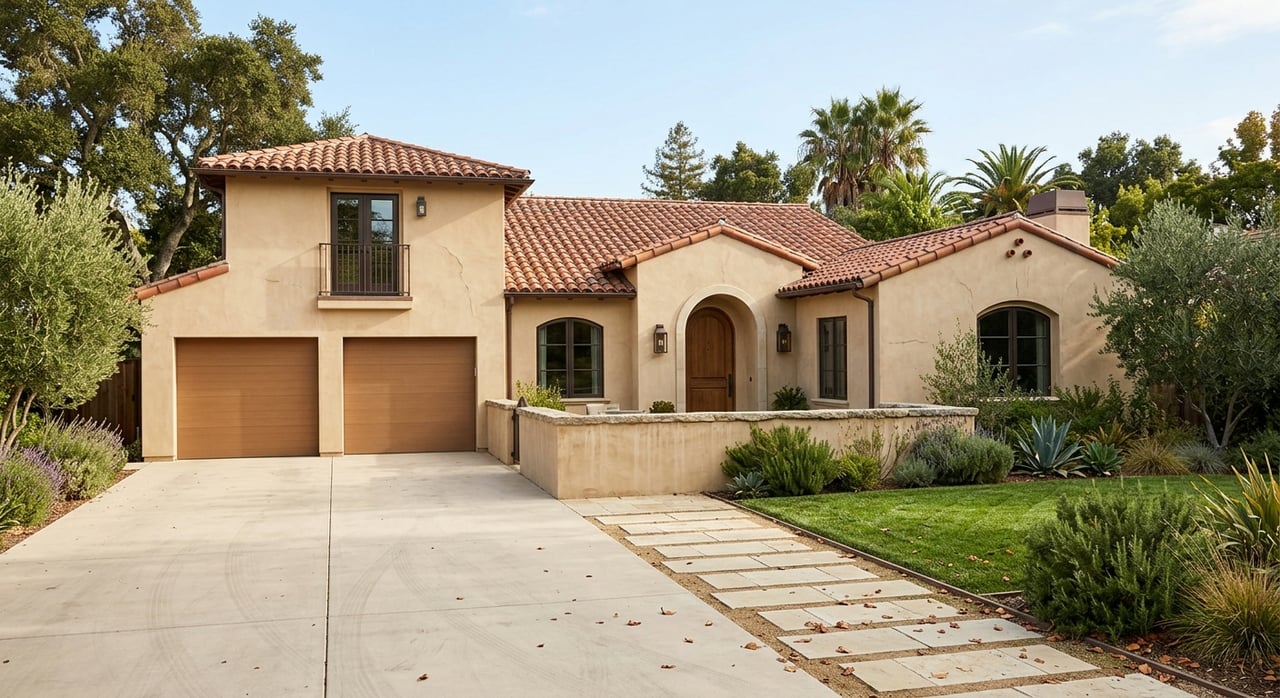
Builder materials for homes in Glen Loma Ranch also highlight a more standardized, amenity-driven lifestyle. Current offerings there include larger single-family homes with customizable layouts, a range of architectural styles, and access to parks, walking trails, shopping, dining, and transportation connections.
Lot patterns and density in newer areas
Newer planned communities also tend to follow a more intentional density pattern. In Glen Loma Ranch, the specific-plan framework shows residential densities ranging from 6.3 units per acre to 21.0 units per acre, depending on housing type.
As a simple translation, that works out to roughly 6,900 square feet of land per unit at the lowest density and about 2,100 square feet per unit at the highest density before streets and common areas are counted. For you as a buyer, that often means lot sizes and streetscapes may feel more uniform than in older parts of Gilroy.
HOA structure in newer neighborhoods
Many newer Gilroy communities are planned developments, which often means an HOA is part of ownership. In California, HOAs generally enforce rules, collect fees, and manage common areas under recorded governing documents.
That can be a plus if you value shared amenities and a more consistent look across the neighborhood. It also means you should review monthly costs, rules, and maintenance responsibilities carefully before you buy.
Older Gilroy neighborhoods at a glance
Older residential areas in Gilroy are concentrated in and around the downtown core and nearby historic streets like Monterey, Church, Alexander, Chestnut, Martin, Eigleberry, Hanna, and the numbered streets near the city center. Downtown Gilroy is described by the city as the heart of the community, with walkable areas, restaurants, shops, entertainment, free parking, and transit access.
If newer neighborhoods feel planned and polished, older neighborhoods often feel more layered and individual. That can be a major draw if you want a home and setting with a little more personality.
Character and architectural variety
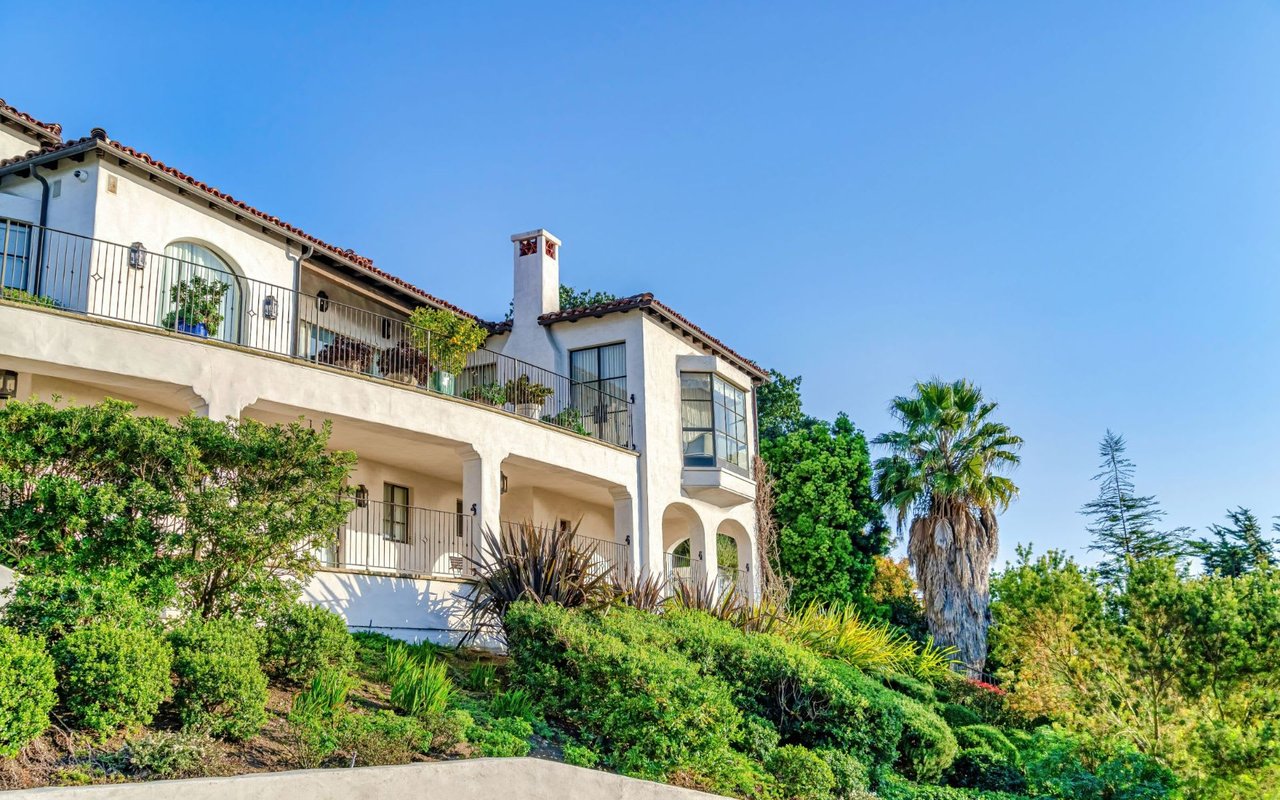
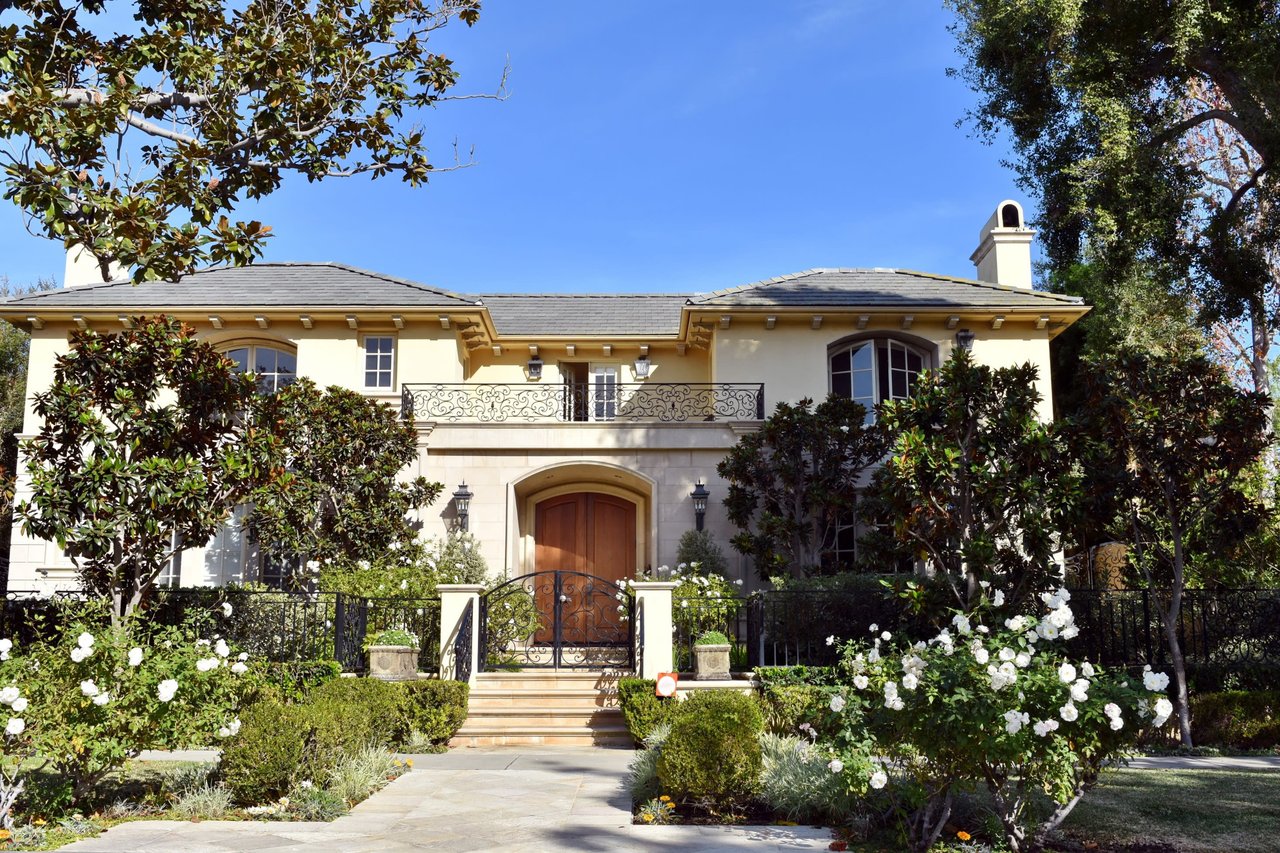
One of the clearest differences is architectural mix. The city’s historic context documents styles that include Craftsman, Spanish Colonial Revival, French Eclectic, Bungalow Court, Mid-Century Modern, and Ranch homes across the 1910s through the 1960s.
That variety gives many older neighborhoods a more block-by-block feel. Instead of seeing one builder’s vision repeated through a subdivision, you may see homes from different decades, with different layouts, setbacks, and design details.
Lot size variation in older areas
Older neighborhoods can also offer more parcel-by-parcel variation. Sample central Gilroy listings cited in the research show a 1912 home on a 7,000-square-foot lot and a 1961 home on a 9,230-square-foot lot.
Those examples are not a full market survey, but they help show a common pattern. In older parts of Gilroy, lots often feel less standardized than in newer subdivisions, which can appeal to buyers who want more flexibility or a less uniform streetscape.
HOA presence may be less common
Older neighborhoods are not automatically HOA-free, but HOAs are not the defining feature in the same way they often are in newer planned developments. In some standard subdivisions, the homeowner owns the lot and building with no common area structure at all.
That can mean fewer layers of rules or monthly assessments. Still, you should always verify whether a specific property has an HOA, because neighborhood age alone does not answer that question.
Daily lifestyle: planned amenities or downtown access
The right neighborhood is not just about the house. It is also about how you want your day to feel.
Newer west-side communities often lean into parks, trails, views, and quick access to recreation. Older central neighborhoods place you closer to downtown Gilroy’s restaurants, events, entertainment, and transit options.
If you prefer newer neighborhoods
A newer Gilroy neighborhood may be the better fit if you want:
- New construction or more recent finishes
- Planned open space and trail networks
- Community amenities nearby
- A more uniform neighborhood layout
- HOA-managed common areas
This option often works well for buyers who want a move-in-ready feel and value predictability in design, maintenance, and neighborhood appearance.
If you prefer older neighborhoods
An older Gilroy neighborhood may be the better fit if you want:
- More architectural character
- A central location closer to downtown
- More lot-to-lot variation
- Possible flexibility for future use of the property
- A neighborhood feel shaped over decades, not one build cycle
This option can appeal to buyers who value charm, established streets, and a less standardized environment.
Commute can shape the decision
Commute is a real factor in Gilroy. Census Reporter shows a mean travel time to work of 33.3 minutes, and the city’s 2025 station-area visioning study notes that many residents drive alone to work with commute times around 30 minutes.
For many buyers, Gilroy is a tradeoff market. You may get more space and a different lifestyle than in other parts of the South Bay, but your commute may be longer depending on where you work.
Downtown has the strongest transit access
If transit matters to you, central Gilroy has a notable advantage. The Gilroy Transit Center includes 471 parking spaces, bike racks, and connections to Caltrain and VTA bus service.
Caltrain service to Gilroy operates on weekday commute hours only south of Tamien. Even so, buyers who want rail access or a park-and-ride option may find that downtown and nearby central neighborhoods offer a different commute experience than more car-dependent west-side areas.
Older homes may offer more flexibility
For some buyers, older neighborhoods are appealing because of what the lot might allow over time. Gilroy permits ADUs and JADUs on single-family, duplex, and multifamily properties.
That can matter if you are thinking about multigenerational living, a rental unit, or future value-add potential. The city also notes that some properties may qualify for Mills Act tax treatment in exchange for preservation, which can be relevant if you are considering a property with historic significance.
Which Gilroy neighborhood type fits you best?
The simplest way to compare Gilroy’s newer and older neighborhoods is this: newer communities usually suit buyers who want new construction, planned amenities, and a more structured suburban layout. Older neighborhoods often suit buyers who want character, downtown access, and more variation from one property to the next.
Neither option is better across the board. The right fit depends on how you weigh commute, home style, lot variation, HOA structure, and the kind of daily rhythm you want.
If you are comparing neighborhoods in Gilroy, I can help you look beyond the photos and understand how each area actually lives. From downtown blocks to newer west-side communities, working with Erica Trinchero gives you grounded local guidance so you can buy with more clarity and confidence.
FAQs
What is the main difference between newer and older neighborhoods in Gilroy?
- Newer Gilroy neighborhoods usually offer a more planned layout, shared amenities, and HOA-managed common areas, while older neighborhoods tend to offer more architectural variety, central locations, and lot-by-lot differences.
Are most homes in Gilroy newer construction?
- No. The city reports that 26.1% of housing units were built in 2000 or later, while 73.9% were built before 2000.
Do newer Gilroy neighborhoods usually have HOAs?
- Many newer planned developments do include HOAs, which typically manage common areas, enforce rules, and collect assessments.
Are older Gilroy neighborhoods closer to downtown?
- Many older neighborhoods are concentrated in and around Gilroy’s downtown core, where the city highlights walkability, restaurants, shops, entertainment, and transit access.
Is transit easier from central Gilroy neighborhoods?
- Yes, central Gilroy has stronger transit access because the Gilroy Transit Center connects riders to Caltrain and VTA bus service and includes parking and bike facilities.
Can older Gilroy properties allow ADUs?
- Gilroy permits ADUs and JADUs on single-family, duplex, and multifamily properties, so some older properties may offer added flexibility depending on the parcel and local rules.