Dreaming about a Santa Cruz getaway sounds easy until the practical questions start piling up. Where in Santa Cruz do you want to be, how often will you use the home, and can it truly work the way you imagine? If you are considering a second home in Santa Cruz, it helps to look past the postcard appeal and focus on location, rules, costs, and long-term fit. Let’s dive in.
Santa Cruz is not one uniform market
One of the biggest mistakes second-home buyers make is treating Santa Cruz like a single market. The city’s planning areas include places such as Downtown Recovery, Beach South of Laurel, Ocean St, Santa Cruz Harbor, Seabright, East Side Improvement, and Western Dr, along with a mix of zoning districts like single-family residential, beach residential, beach commercial, central business district, neighborhood commercial, and mixed-use ocean or visitor areas.
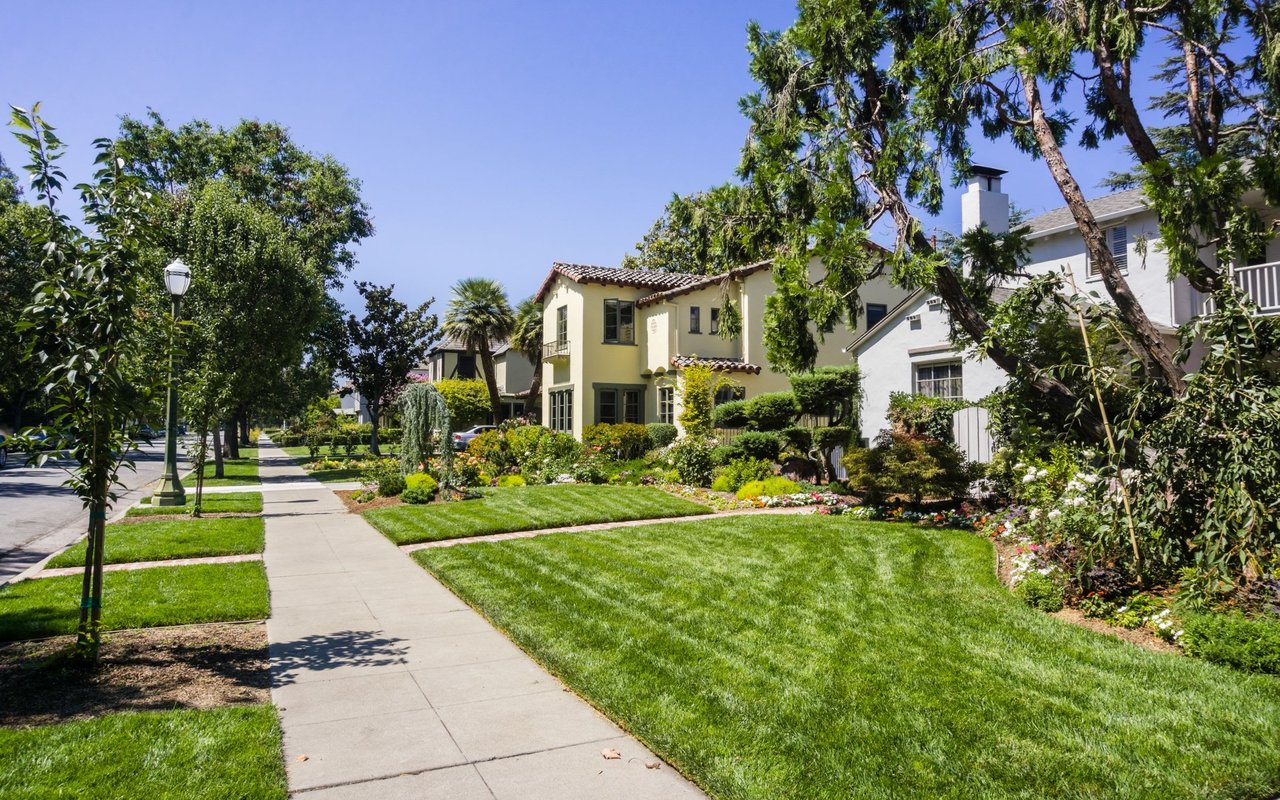
That matters because your day-to-day experience can change a lot from one micro-market to the next. A compact downtown condo, a beach-adjacent cottage, and a home on a quieter residential street can each support a very different second-home lifestyle.
Start with how you want to use it
Before you fall in love with a property, get clear about your actual use pattern. Will this be a personal retreat you visit a few weekends a month, a seasonal base you use for longer stretches, or a home you hope will offset costs with rental income?
Your answer shapes almost every other decision. It affects which area makes sense, what size home fits best, how much maintenance you can handle, and whether local permit rules will support your plan.
Downtown convenience vs beach proximity
If you want a low-fuss home base with access to shops, restaurants, and seasonal transit, downtown or near-downtown may feel more practical. During summer weekends and holidays, the Santa Cruzer shuttle connects downtown with the beach and wharf, and downtown also has several paid parking garages.
That convenience can make part-time ownership easier, especially if you do not want every outing to depend on finding a beach parking spot. Still, parking remains a real consideration, particularly if the property itself has limited on-site parking.
Seabright offers a different feel
Seabright is described by the city as a distinct historic residential neighborhood near Monterey Bay, framed by the San Lorenzo River, with small cottages and smaller lots. For some buyers, that setting is exactly the appeal.
But a smaller-lot, beach-adjacent property may come with different tradeoffs than a downtown unit or a home on a quieter residential block. The right choice depends on whether you value walkability, privacy, parking, lower upkeep, or direct neighborhood character most.
Think beyond the view
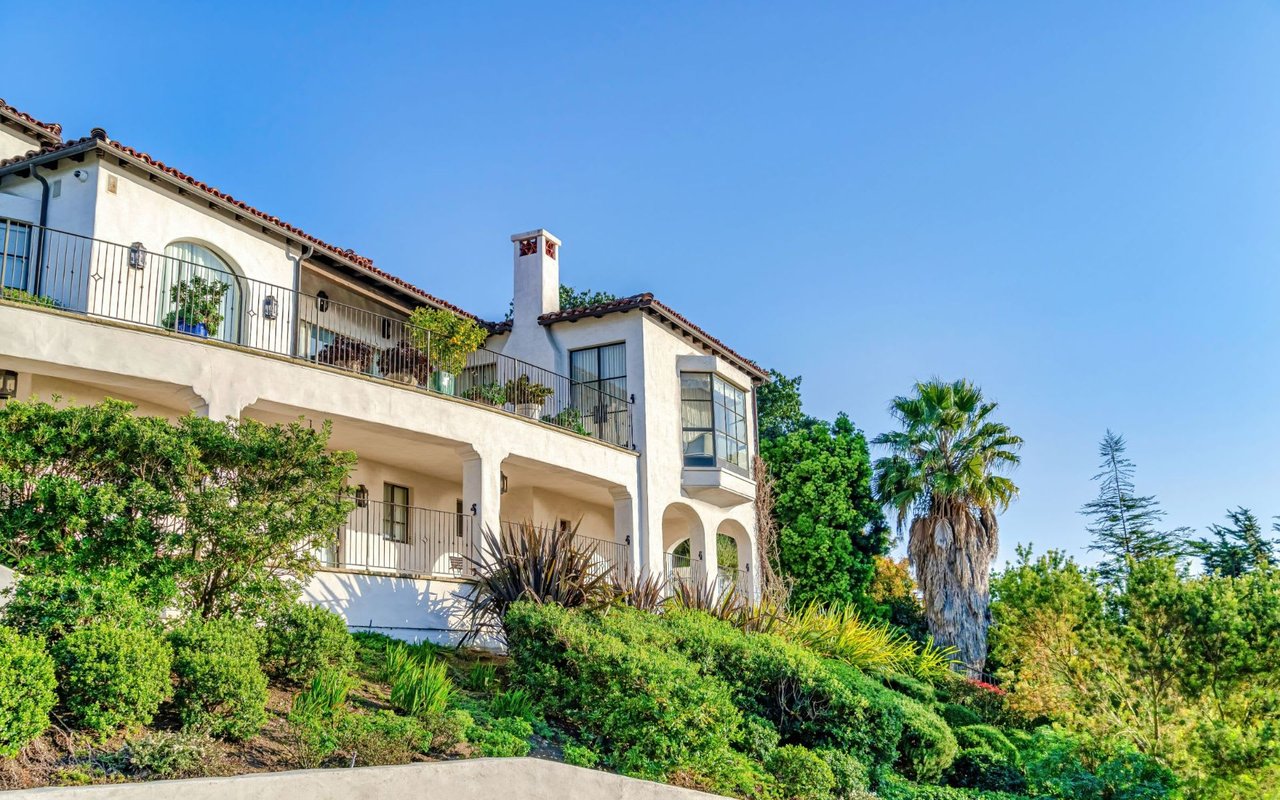
Coastal appeal is real, but ownership decisions should also reflect local environmental conditions. Santa Cruz County identifies storm waves, coastal erosion, wildfire, flooding, earthquakes, and sea-level-rise risk as important issues in local planning.
If you are looking close to the water, it is smart to think in terms of both enjoyment and resilience. A great view does not cancel out the need to evaluate hazard exposure, maintenance demands, and how those realities fit your budget and risk tolerance.
Seasonal homes still need year-round attention
A second home can sit empty for stretches, but the carrying responsibilities do not disappear. Even when you are not there, the property may still need monitoring, maintenance, and utility management.
The City of Santa Cruz notes that its water service is funded by rates, not tax dollars, and relies on local surface and groundwater sources that are vulnerable to drought-related supply stress. That makes water use, landscaping choices, and utility budgeting important parts of the ownership picture.
Rental income may be harder than you expect
Many buyers assume a second home can help pay for itself through short-term rentals. In Santa Cruz, that assumption needs careful checking before you buy.
The City of Santa Cruz says it is only issuing Hosted short-term rental permits. It is not issuing new Non-Hosted short-term rental permits, and obtaining a permit does not guarantee continued short-term rental use.
What hosted short-term rental rules mean
Hosted short-term rentals require proof of principal residency. The city requires a County Homeowners’ Exemption plus two additional proofs, and the owner must live in the home more than six months per year.
For a true vacation-only second home, that is a major limitation. If your plan depends on renting the property while you are away, you should verify permit eligibility before making any income assumptions.
Parking and property setup matter too
The city’s short-term rental application also requires a site plan, floor plan, exterior photo, and parking compliance. The current minimum parking requirement is one space for a studio or one-bedroom residence and two spaces for homes with two or more bedrooms.
That can be especially important for compact parcels near downtown or the beach. A home that feels perfect for personal use may not fit the city’s rental framework if parking or layout falls short.
City limits and county rules are not the same
One key due-diligence step is confirming whether the property sits inside Santa Cruz city limits or in unincorporated Santa Cruz County. The rules are different.
In unincorporated county areas, the county permits hosted and non-hosted short-term rentals with permits and levies a 14% transient occupancy tax on vacation rentals. That means a property just outside city jurisdiction may operate under a very different rental rule set than one inside the city.
Budget for the real carrying costs
Second-home buyers often focus on the down payment and monthly mortgage first. In Santa Cruz, it is just as important to budget for taxes, utilities, maintenance, and professional review of ownership assumptions.
Because city utilities are rate-based and not tax-funded, costs do not stop just because the home is vacant. Routine property care, utility use, and risk management should all be part of your ownership math.
Understand Santa Cruz County tax timing
Santa Cruz County mails annual property tax bills by November 1. The first installment becomes delinquent after December 10, and the second becomes delinquent after April 10, with a 10% penalty for missed deadlines.
Ownership changes or new construction can also trigger supplemental tax bills. Those are separate from the annual bill and are generally mailed directly to the owner rather than paid through impound.
Do not assume a homeowners’ exemption
The county’s homeowners’ exemption is tied to a primary residence or principal place of residence. If you are buying a vacation-only second home, you generally should not assume it will qualify.
The county also warns that ownership records can lag after closing. That means taxes may still be due even if the bill has not yet arrived or is not yet in your name.
Questions to answer before you buy
A second home in Santa Cruz can be a wonderful lifestyle purchase, but the best decisions usually come from clear, early due diligence. Before you move forward, make sure you can confidently answer a few key questions.
- Is the property inside Santa Cruz city limits or in unincorporated county area?
- Are you buying mainly for personal use, rental income, or a mix of both?
- If rental income matters, does the property meet current permit and parking requirements?
- Are you comfortable with the long-term realities of coastal hazard exposure and upkeep?
- Have you budgeted for utilities, maintenance, property taxes, and possible supplemental tax bills?
- Have you confirmed tax treatment and ownership assumptions with the right professionals?
Why local guidance matters
Santa Cruz second-home purchases often look simple from the outside, but the details can shift quickly based on block, zoning context, parking, and jurisdiction. What works well for one buyer’s lifestyle may be a poor fit for another buyer’s goals.
That is why a grounded, consultative approach matters. When you understand how the property will actually function for your lifestyle and budget, you can buy with much more confidence.
If you are weighing a second home purchase and want practical guidance on how to evaluate the opportunity, Erica Trinchero can help you think through the details and next steps.
FAQs
What should you compare when choosing a second home in Santa Cruz?
- You should compare the property’s micro-location, parking, access pattern, neighborhood setting, hazard exposure, utility demands, and whether the home supports your intended personal or rental use.
Can you use a Santa Cruz second home as a short-term rental?
- Inside the City of Santa Cruz, new short-term rental permits are limited to Hosted permits, which require principal residency and living in the home more than six months per year, so a vacation-only second home generally does not fit that model.
Why does Santa Cruz property location affect second-home rules?
- A property inside Santa Cruz city limits follows city rules, while a property in unincorporated Santa Cruz County follows county rules, including different short-term rental permitting standards.
What carrying costs should you expect for a Santa Cruz second home?
- You should plan for property taxes, possible supplemental tax bills, utility costs, water-related budgeting, routine maintenance, and professional review of insurance, tax, and ownership structure.
Why is parking important for a Santa Cruz second home?
- Parking can affect everyday convenience, especially near downtown and beach areas, and it can also affect whether a property can meet current short-term rental application requirements.
Do beach-adjacent Santa Cruz homes need extra due diligence?
- Yes. Santa Cruz County identifies issues such as storm waves, coastal erosion, flooding, earthquakes, wildfire, and sea-level-rise risk, so beach-adjacent buyers should evaluate long-term maintenance and hazard exposure carefully.